Stop FDLE Surprises Before They Start
Level 2 background checks are a fact of life for many Palm Beach employers, especially in regulated fields. When FDLE or a licensing board audits your files, they are not just checking if people were fingerprinted; they are looking at how clean and consistent your process is from start to finish. Small gaps can cause big headaches.
A wrong ORI, missing resubmission notes, or thin records can slow clearances and delay start dates. In the busy late summer and fall hiring, that can mean empty shifts, canceled programs, or stressed managers asking why someone is still not cleared. Auditors also pay attention to repeat issues, which can lead to corrective action plans you do not want.
The good news is that you can spot many problems before FDLE or any agency does. A simple self-audit, done a few times a year, helps you see where your process is strong and where it needs work. When you pair that with an experienced fingerprinting partner that specializes in Florida Level 2 background checks and knows FDLE and licensing board rules in detail, your risk goes down and your hiring stays on track.
Decode Your ORI Numbers Before Auditors Do
Every Level 2 background check starts with one small code that matters a lot: the ORI. This number tells FDLE which agency should get the results and what the purpose is, like employment, licensing, or volunteering. If the ORI is wrong, results can go to the wrong place or be tied to the wrong type of check.
Auditors know this, so they often look closely at ORI use. You can get ahead of them by running a quick ORI mini-audit inside your own office. Try this simple process, based on what we see across Palm Beach organizations that handle Level 2 checks well:
- List every ORI you use now for hiring, licensing, volunteers, and seasonal staff
- Confirm each ORI against the most recent information from the requesting agency or FDLE
- Match each ORI to the correct job type, license type, or program you run
- Flag any ORIs that look tied to old programs, closed locations, or outdated requirements
From there, build an ORI matrix so your team is not guessing. A basic matrix can include columns for position, program or agency, related statute or rule if you have it, ORI number, and the fingerprinting provider you normally use. Store this where HR, credentialing, and compliance staff can find it quickly.
Then, train anyone who sends applicants for fingerprinting to pause and confirm. Before sending someone to be printed, they should know which ORI applies and, when in doubt, check with the requesting agency or with a knowledgeable fingerprinting provider. That quick check can prevent weeks of delay and extra work later.
Audit Your Level 2 Background Check Workflow End-to-End
Next, look at the full path from job offer to clearance. Many problems do not come from one big mistake; they come from a series of small, informal steps that are not written down. When you are busy with back-to-school, seasonal recreation, or health program hiring, those gaps show up fast.
A basic Level 2 background check workflow often includes:
- Job offer or conditional offer
- Confirm correct ORI for the role
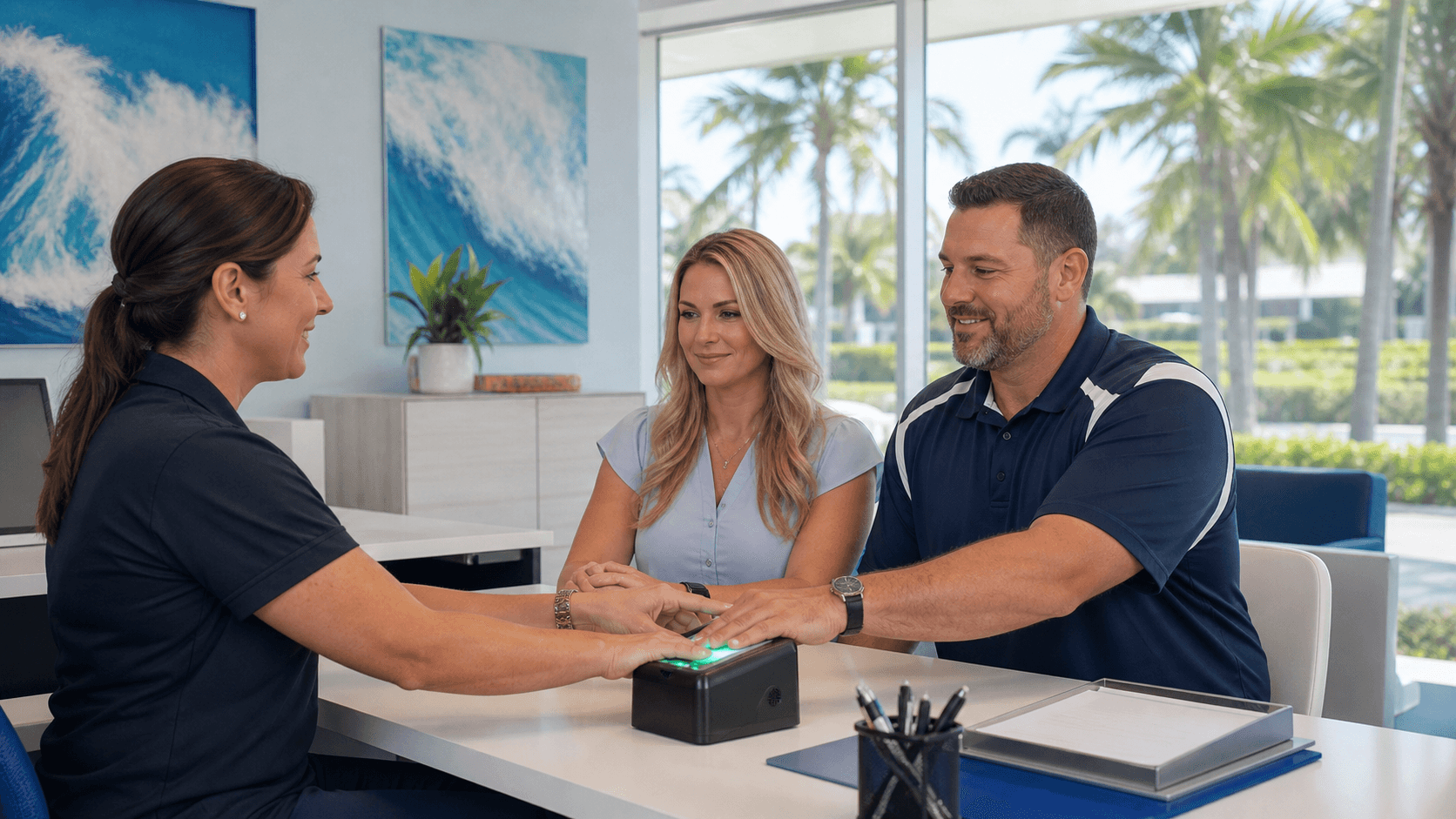
- Schedule fingerprinting with an FDLE-approved Live Scan provider
- Applicant shows up with acceptable ID and required info
- Prints are captured and sent to FDLE
- Results route to the correct agency or portal
- HR or compliance records the clearance decision and date
Walk through this in detail for each regulated area you have, like childcare, healthcare, financial services, real estate, or seasonal camps, and programs. Ask where you rely on memory instead of a checklist. Ask who owns each step and if that is clear to managers.
We recommend creating a short written workflow or checklist for each program, then updating it before your late-summer hiring surge. Make sure it includes reminders to: use only FDLE-approved Live Scan providers, verify that applicants bring proper identification, and confirm demographic details like full legal name and date of birth before submission. Those small checks can prevent rejections and keep onboarding smooth.
Control Rejections, Resubmissions, and Second Fees
Fingerprint rejections will happen sometimes, but a high rate draws attention. Common causes include light or worn ridge detail, smudging during capture, errors in demographic fields, or damaged fingertips. When this happens often, FDLE or program auditors may ask why.
You can get a clear picture by reviewing your last six to twelve months of Level 2 background checks. For each submission, look at:
- How many were rejected at least once
- The reason listed for each rejection
- How many needed resubmissions and how many times
- Who paid the second fee, the employer or the applicant
- How long it took from first submission to final clearance
Once you see the pattern, you can tighten your practices. Work with a fingerprinting provider that is focused on Level 2 background checks, tracks rejection causes, and provides clear support when a resubmission is needed. Inside your own records, keep a short note for every resubmission with the date, reason, and outcome.
It also helps to set a simple policy on who pays for second fees and share that with hiring managers before the busy season. When everyone understands likely timelines and what happens if prints are rejected, there are fewer surprises and less finger-pointing later.
Build Bulletproof Records Auditors Actually Want to See
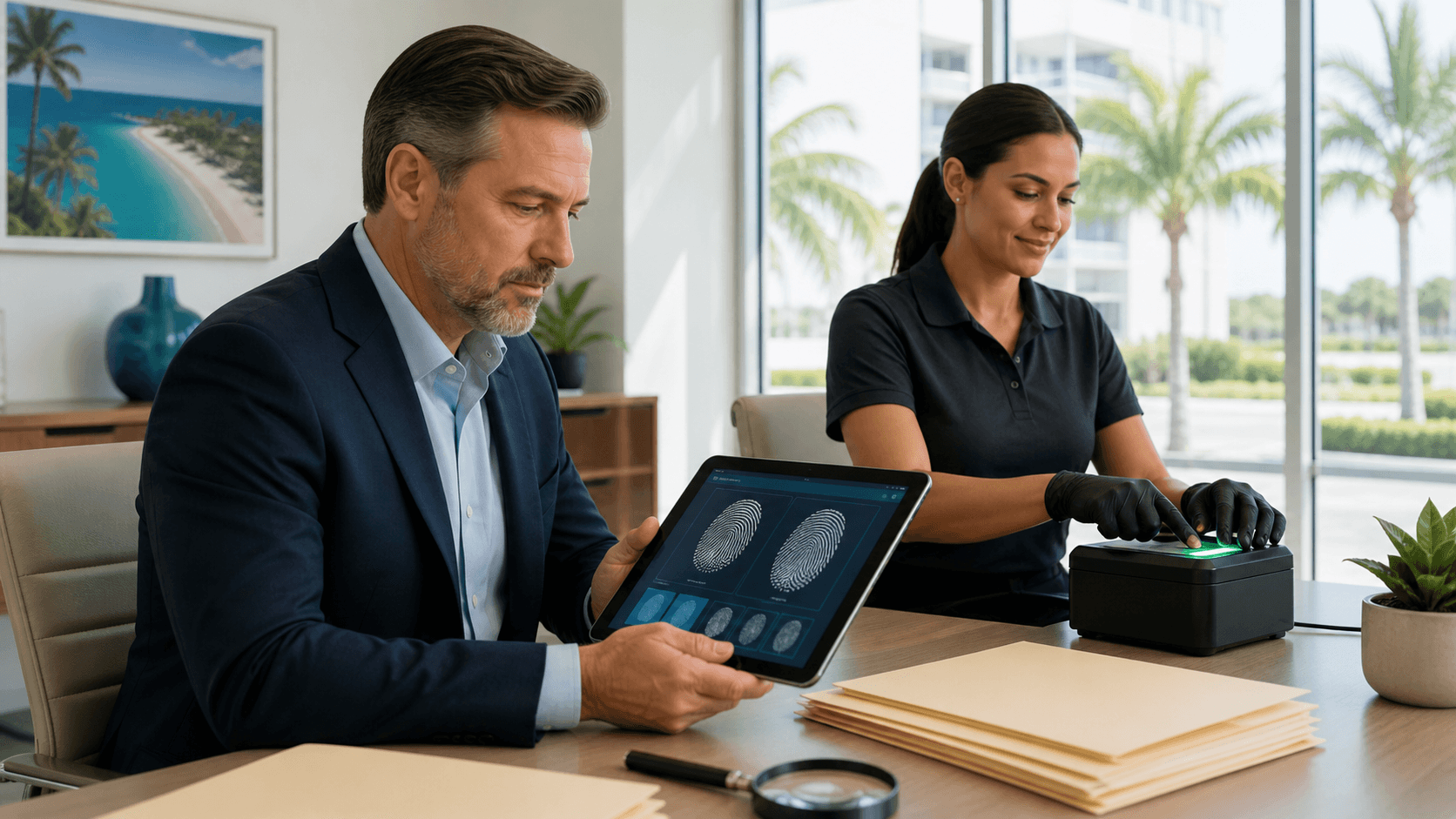
Strong recordkeeping is often what separates a smooth audit from a stressful one. FDLE and agency reviewers usually want to see that you did the right checks, used the right ORI, and made clear decisions based on the results, not guesswork.
For each employee or licensee, your files should clearly show:
- Proof of fingerprint submission, like receipts or confirmations
- The Transaction Control Number (TCN) for each submission
- The ORI used and what program or agency it was for
- The date clearance was received and what decision was made
- Any resubmission details and final outcome
A simple way to handle this is to set up a standard folder system, digital or physical. Use the same naming format for every person and keep items in a consistent order so anyone on your HR or compliance team can follow the story quickly. Make sure access is limited to the right staff and that retention timelines match Florida rules and agency expectations.
You can also coordinate with a Live Scan provider that understands FDLE and Florida licensing requirements so that receipts and confirmations are easy to store and retrieve. For key roles like childcare workers, healthcare staff, and seasonal program leaders, it helps to keep an "audit-ready" packet where everything linked to their Level 2 background check sits in one spot. When the fall oversight cycle comes around, you are ready instead of scrambling.
Turn Your Self-Audit Into an Annual Compliance Habit
The real power of a self-audit shows up when you turn it into a regular habit instead of a one-time fix. Plan a quick review once or twice a year, timed before your busiest hiring period. Use a simple checklist that covers ORI accuracy, workflow steps, rejection and resubmission patterns, and recordkeeping gaps.
Assign one clear owner, like someone in HR, credentialing, or risk management, to keep your ORI matrix current and to update your workflows as agency rules or internal needs change. That person can also act as your main point of contact with a specialized Level 2 fingerprinting provider in Palm Beach County so information flows smoothly and procedures stay aligned with Florida requirements.
With this kind of steady routine, Level 2 background checks stop feeling like a fire drill each hiring season. Instead, they become a predictable, well-managed part of how your Palm Beach organization protects clients, staff, and programs all year long, supported by partners who focus every day on fingerprinting and Level 2 compliance.
Protect Your Organization With Fast, Reliable Screening
If you need a trusted partner for your level 2 background check, we make the process quick, accurate, and compliant with Florida requirements. At Live Scan Palm Beach County, we use state-of-the-art equipment and experienced staff to help you clear candidates or licensing steps without delays. Reach out today so we can answer your questions, schedule your visit, or coordinate group appointments. For specific inquiries or custom needs, simply contact us.