Mobile Fingerprinting That Keeps Your Teams Moving
Mobile fingerprinting in Palm Beach is one of the most effective ways to keep compliant hiring on track when you have people spread across different locations. When HR is trying to clear new staff for Level 2 background checks on a tight timeline, sending everyone to a single fingerprint office can slow everything down. Shifts get missed, managers scramble, and important start dates move.
Multi-location employers in Palm Beach Gardens, Jupiter, and nearby areas feel this most during summer hiring peaks and seasonal surges. You might be staffing multiple sites at once, from offices to field crews. In this article, we draw on our experience with Level 2 background checks to walk through how mobile fingerprinting works for multi-site employers, how to keep your chain-of-custody clean, and how to avoid common ORI and compliance mistakes so hiring stays smooth and defensible.
Why Multi-Location Employers Need Mobile Fingerprinting
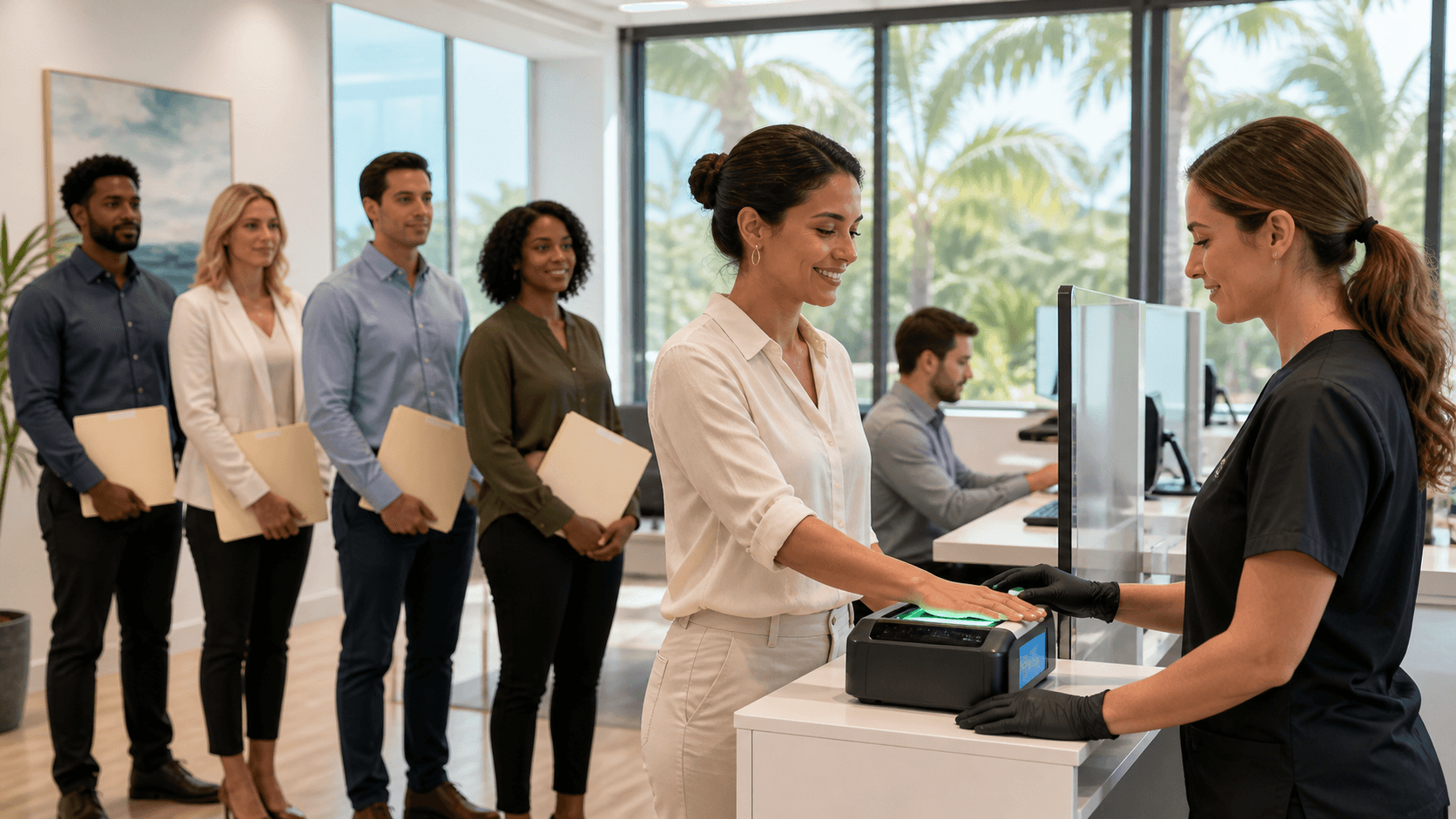
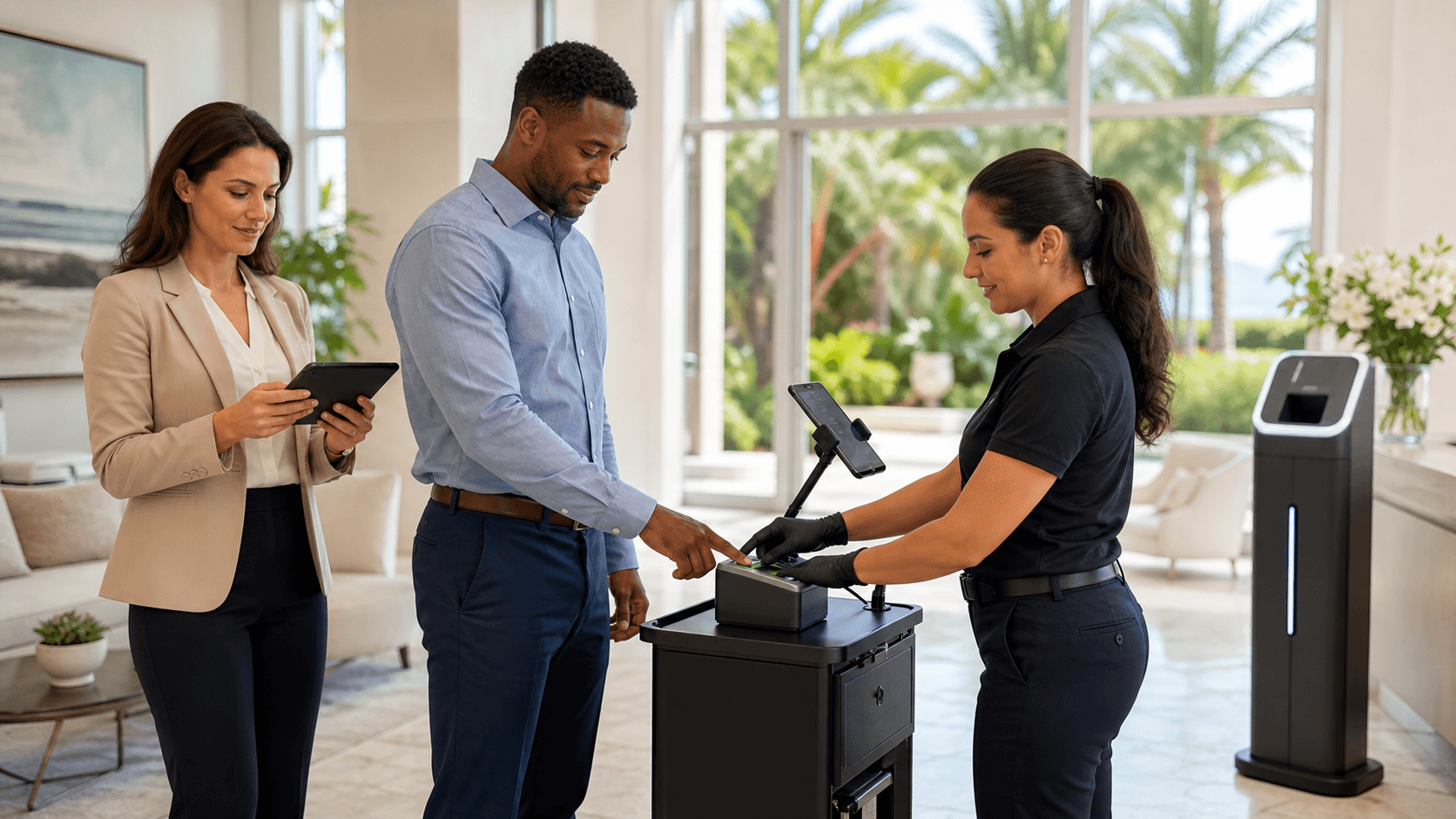
When your team is spread across several locations, logistics can consume significant HR time and delay compliance steps. Mobile fingerprinting brings the fingerprint technician to you, so HR can clear people at:
- Corporate offices
- Satellite or branch locations
- Field sites and job trailers
- Seasonal or temporary workspaces
This is especially important in fields that rely on Level 2 background checks, like hospitality, healthcare, education, security, and home services. Instead of sending every new hire across town, you group them at one of your own locations and have them processed in a single, structured visit.
The operational benefits include:
- Less employee downtime and fewer missed shifts
- No need for travel reimbursement for fingerprint trips
- Large groups handled in one session without stopping normal operations
The compliance impact is just as critical. Faster, organized fingerprinting leads to faster background check results, which helps:
- Get new hires on the schedule sooner while meeting clearance requirements
- Meet strict licensing and regulatory timelines
- Reduce rejected submissions and resubmissions through correct data capture at the first visit
When fingerprinting is handled on-site with documented procedures and controls, HR can maintain clearer records for any future audit or regulatory review.
Scheduling Strategies That Work Across Multiple Sites
Effective scheduling is what makes mobile fingerprinting feel orderly rather than disruptive. The goal is to match your hiring flow with scheduled sessions that fit your workday instead of interrupting it.
Common, reliable ways to group people include:
- By start date or orientation day
- By license type or job role
- By department or location
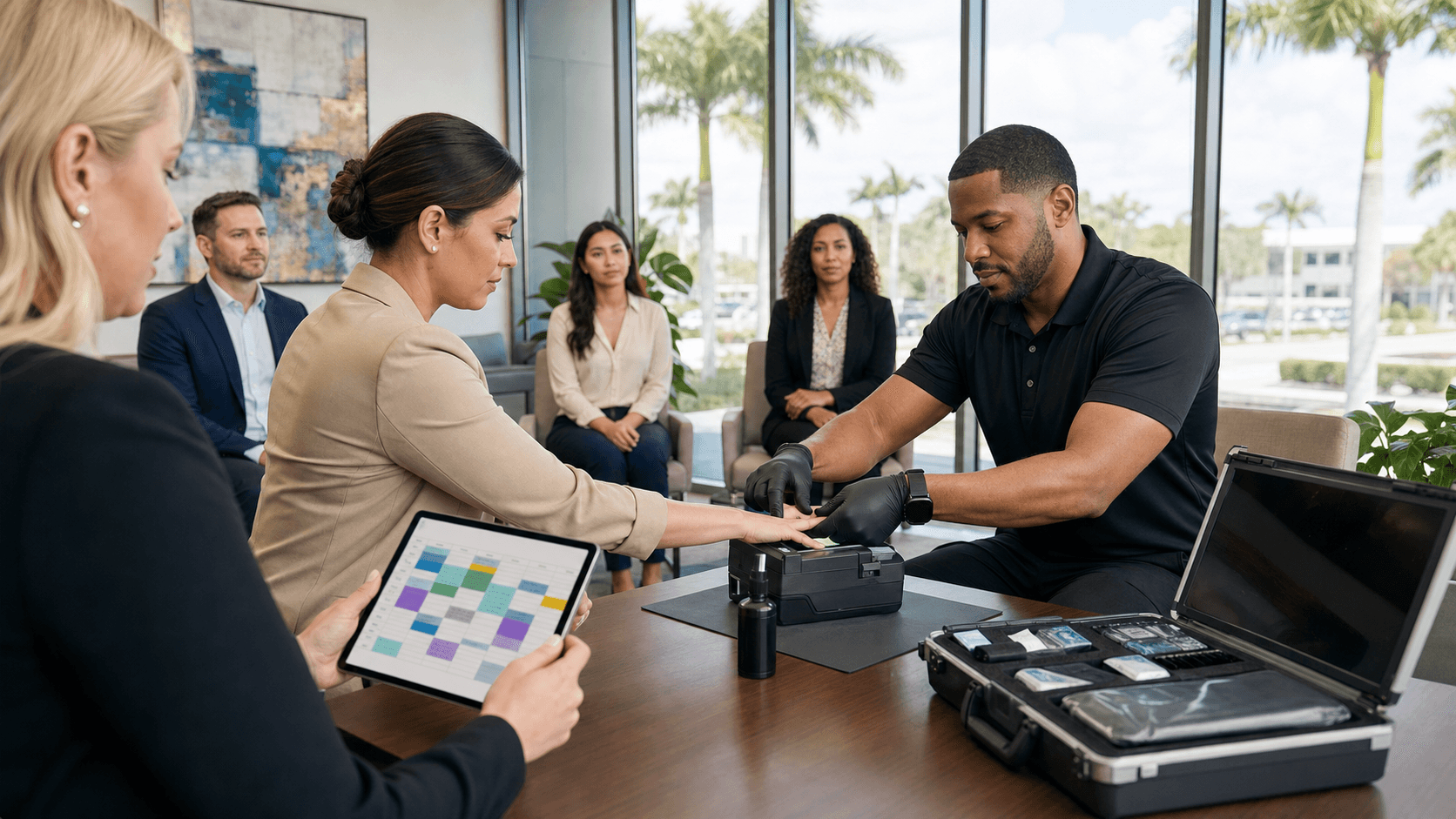
For example, HR can plan rolling sessions across the month. One week you might clear all new hires for your Palm Beach Gardens office; the next week you move to a Jupiter site. Each visit is focused and efficient because everyone is told exactly when to be there and what to bring.
When you have multiple locations, it helps to:
- Select a host site with sufficient space, privacy, and parking
- Schedule staggered time blocks, such as small groups every 15 to 30 minutes, to avoid bottlenecks
- Share clear internal messages so employees know what to bring, where to go, and how long to plan for
We support this process with centralized scheduling so one main HR contact can plan events across all sites. Before a visit, we provide concise pre-visit checklists so staff show up prepared with valid identification and any required documents. During busy summer hiring periods, flexible options such as early mornings, evenings, or weekends help prevent fingerprinting from colliding with peak business hours.
Maintaining a Clean Chain-of-Custody Every Time
Chain-of-custody is the documented path of the fingerprinting process from the moment we meet your employee to the point their prints are submitted through approved systems. For Level 2 background checks, this record is essential for licensing boards, regulators, and any internal or external audits.
A clean chain-of-custody on-site should always include:
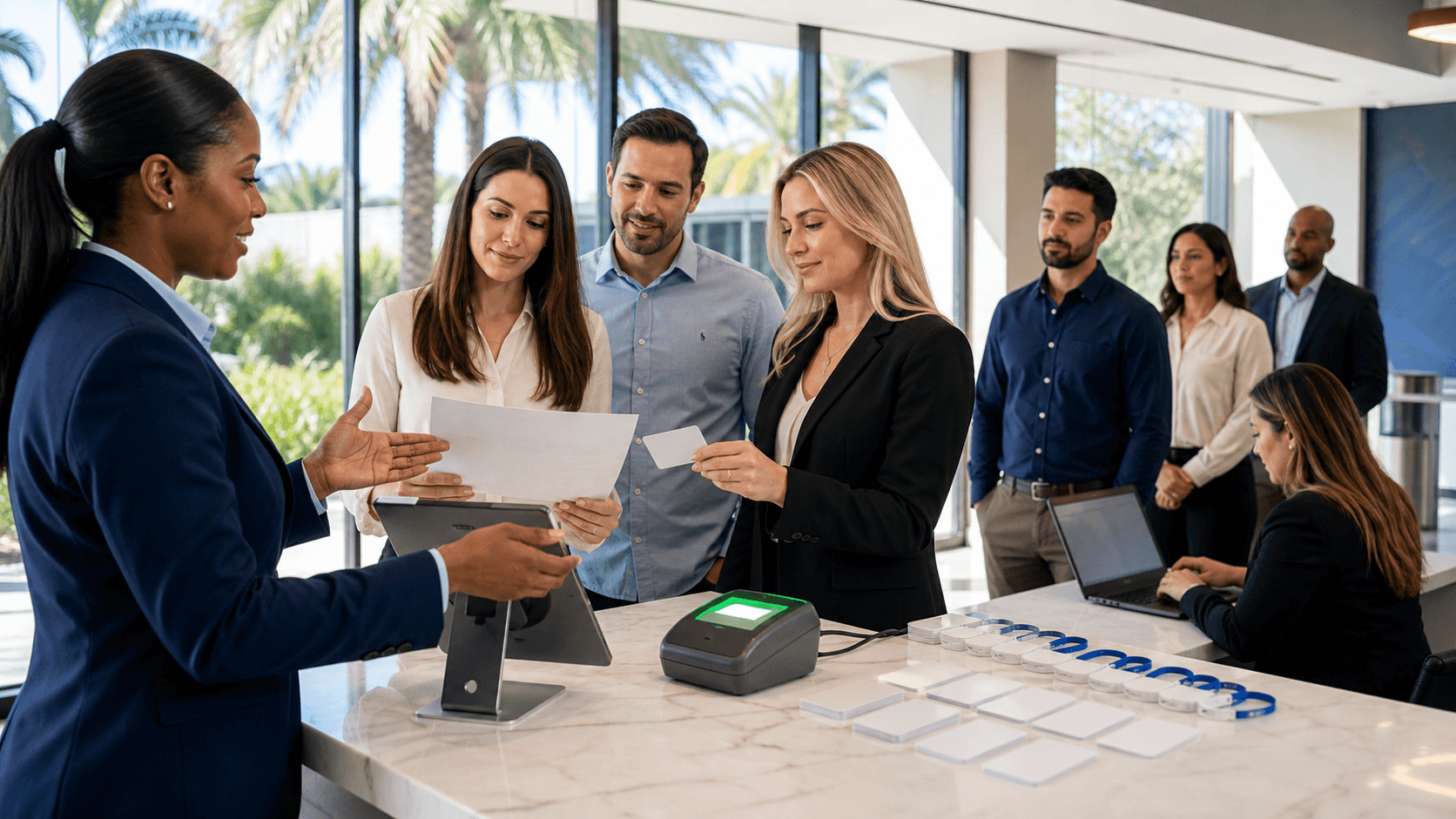
- Secure handling of personal data and IDs
- Careful identity verification against government-issued identification
- Correct ORI selection for the role or license involved
- Immediate, encrypted submission of prints to FDLE-approved systems whenever possible
On mobile visits, we follow standardized protocols so every location is handled consistently. Our trained technicians:
- Confirm identity against acceptable ID types
- Confirm the correct ORI with your HR or compliance contact
- Document each person who is fingerprinted and the outcome of the submission
Digital records capture:
- Who was fingerprinted
- When the prints were taken
- Where the mobile event was held
- Which ORI was used for each submission
That consistency and documentation help make the process defensible if questions arise later about how someone was cleared under Level 2 standards.
ORI Selection, FDLE Rules, and Common Compliance Pitfalls
ORI numbers tell the system who is requesting the background check and why. They connect each fingerprint submission to a specific agency, board, or purpose. Using the wrong ORI can lead to delays in employment, licensing, or clearances, especially challenging when you are onboarding large groups at multiple sites.
Some common ORI problems multi-location employers encounter include:
- Mixing ORIs for different job roles or license types
- Letting remote managers guess which ORI to use
- Forgetting to update staff when agencies change rules or requirements
These issues can cause reprints, confusion, and additional work for HR, and may delay Level 2 background check results. The more locations and hiring managers you have, the easier it is for procedures to drift over time if they are not standardized.
We help HR and compliance leaders standardize ORI use by:
- Confirming the correct ORI for each position or license based on current FDLE and agency guidance
- Helping document which ORI aligns with each role and location in a clear reference guide
- Encouraging consistent, written procedures across Palm Beach Gardens, Jupiter, and any nearby sites
This keeps your fingerprinting aligned with FDLE-approved standards for Level 2 checks and reduces preventable delays and reprints.
Turning Mobile Fingerprinting Into a Repeatable Workflow
The greatest value comes when mobile fingerprinting in Palm Beach is not a one-time response to a surge, but a structured, repeatable workflow aligned with your compliance requirements. Once you build a basic framework, each event becomes more efficient.
A straightforward process might include:
- Pre-screening lists of everyone who needs prints before each session
- Standard email templates that tell employees what to bring, how to prepare, and when to arrive
- Designated site coordinators at each location to greet staff, verify internal rosters, and keep lines moving
- A shared calendar with all planned mobile fingerprinting dates and related deadlines
You can tie mobile events to key points in your HR and compliance cycle, such as:
- New hire orientation days
- Contract or credential renewals that require updated Level 2 background checks
- Seasonal rehires before busy periods
- Annual reviews of compliance, clearances, and expiring licenses
Over time, this becomes part of how your company manages risk and meets regulatory expectations. By working with Live Scan Palm Beach County as your ongoing fingerprinting and Level 2 background check partner, you can plan ahead for summer hiring peaks, holidays, and other known surges. That advance planning helps you reserve convenient dates, keep ORI rules consistent, maintain audit-ready records across all your locations, and support HR and managers with an efficient, expert-led process.
Get Fast, Reliable Fingerprinting Without Leaving Your Location
If you are ready to simplify your background check or licensing process, our mobile fingerprinting in Palm Beach service brings secure, compliant fingerprinting directly to you. At Live Scan Palm Beach County, we work around your schedule so you can stay focused on work, family, or running your business. We handle individuals and groups, with clear communication at every step. Have questions or need a custom appointment time? Just contact us and we will help you get set up quickly.