Faster First Shifts, Fewer Headaches for HR
Day one should feel calm and organized, not like a fire drill. When new hires are stuck waiting on Level 2 background checks, everything slows down. Orientation gets chopped up, trainers lose time, and managers scramble to cover shifts.
Tighter hiring timelines, seasonal surges, and stricter audits have made day-one delays a lot more common. Back-to-school, flu season, tourist peaks, and holiday schedules all stack up. When fingerprinting is done one person at a time, at random locations, problems pop up fast.
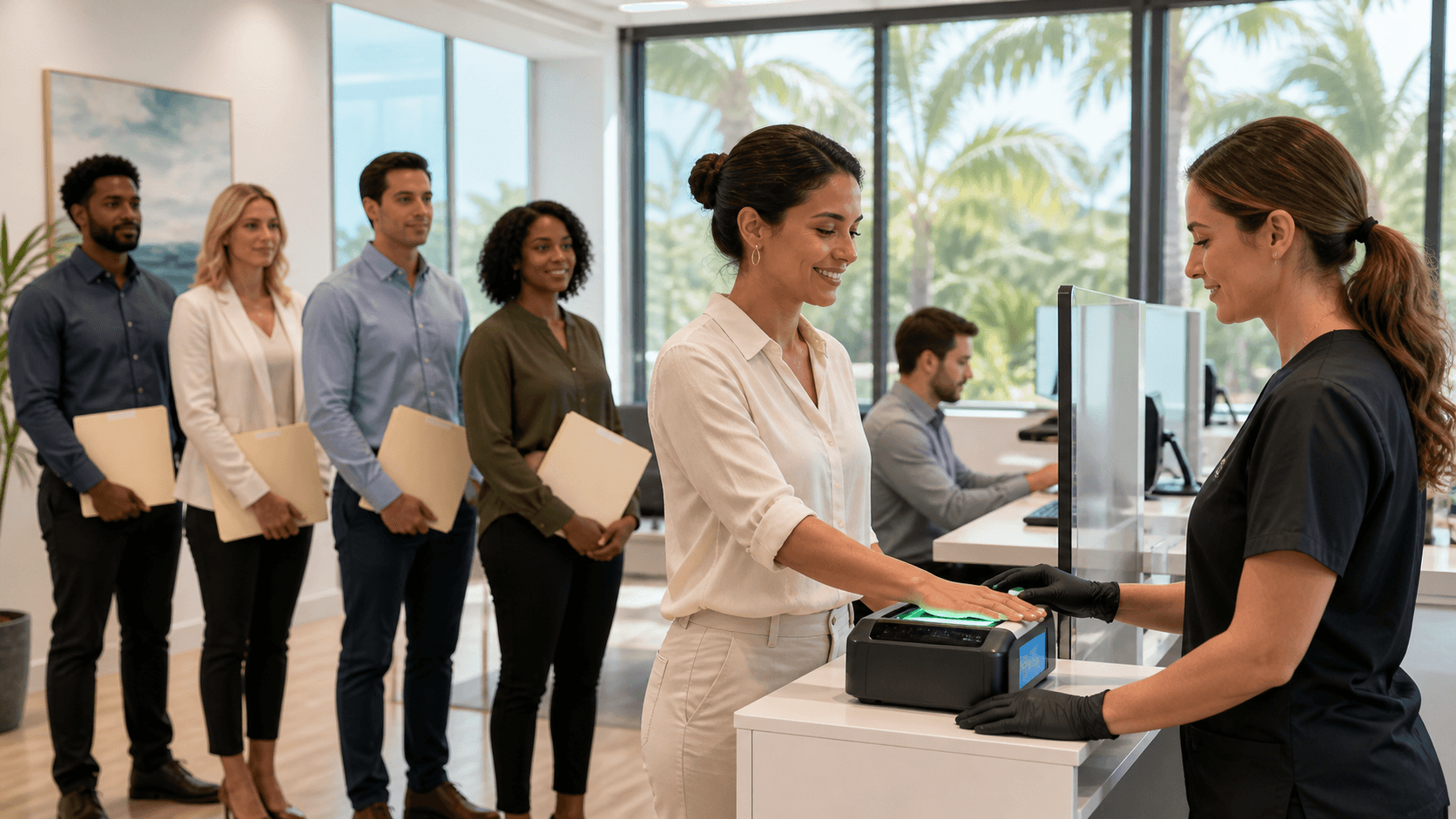
As a specialized provider of FDLE-approved electronic fingerprinting and Level 2 background checks, Live Scan Palm Beach County designs group workflows that remove many of these bottlenecks. Group fingerprinting in Palm Beach works in the background to keep all of this under control. By planning coordinated group appointments or on-site mobile fingerprinting, HR can cut down on reprints, move checks along faster, and keep start dates on the calendar instead of on hold.
Why Day-One Delays Happen More Than You Think
Most HR teams are not tripped up by big policy gaps. They get stuck on small, repeat problems that add up. Traditional, individual fingerprinting creates a long list of failure points, such as:
- Applicants booking with vendors that are not FDLE approved
- Prints that are too light, smudged, or incomplete
- Missed appointment times and long reschedule waits
- Missing documents like IDs or license numbers
From our work with employers in Palm Beach Gardens and Jupiter, we see these issues hit hardest during sharp hiring waves. Schools are racing to fill classrooms. Healthcare practices are trying to staff up before patient volumes spike. Employers need people cleared and safe to work right away, but the fingerprint step slips.
At the same time, Level 2 background checks in Florida have specific statutory requirements. These checks use state and national fingerprint-based criminal history records to screen for disqualifying offenses. When fingerprints are captured poorly or submitted through non-approved channels, those legally required checks are delayed or rejected, putting both compliance and safety at risk.
The hidden costs pile up when checks are not ready:
- Paid training days when staff cannot touch patients, students, or client data
- Overtime for short teams that are covering open shifts
- Last-minute schedule changes that upset managers and new hires
- Extra attention from auditors who ask why people were on-site without full clearance
Expertly managed group fingerprinting pulls those weak spots into one controlled process, instead of leaving each person to figure it out alone.
Case Studies and KPIs From Real-World Workflows
To see how group fingerprinting in Palm Beach changes things, it helps to walk through common hiring waves and the KPIs that matter. These examples reflect patterns we see repeatedly when employers move from ad-hoc fingerprinting to structured, expert-guided programs.
Healthcare systems in our area often plan large onboarding classes before busy patient periods. Before group fingerprinting, HR teams may deal with:
- Constant reminders to new hires to "get your fingerprints done"
- Reprint rates that feel higher than they should be
- Orientation days pushed back while clearances catch up
- Unit managers changing schedules again and again
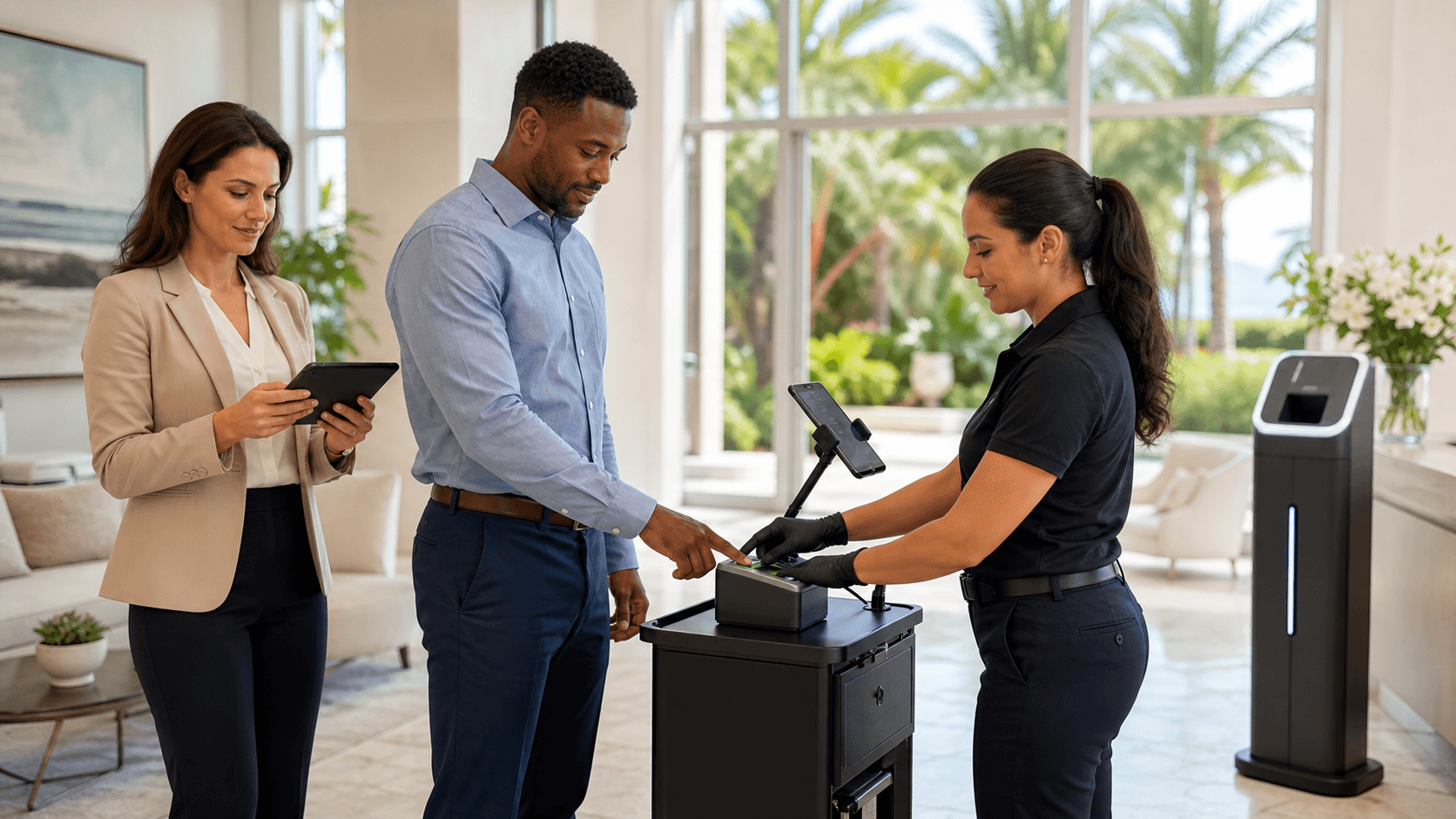
With mobile group fingerprinting at the hospital or clinic, supported by technicians who specialize in Level 2 compliance, the workflow shifts. HR sets one or more group sessions, confirms required IDs ahead of time, and uses FDLE-approved electronic fingerprinting devices that are calibrated for high-quality capture. KPIs that start to improve include:
- Lower reprint rate because prints are captured correctly the first time
- Shorter average time from fingerprints to background clearance
- Higher percentage of staff fully cleared before their first scheduled shift
Schools and childcare providers in Palm Beach Gardens face another pattern. Hiring peaks right before the start of the school year. In older methods, new staff might be on the calendar for classroom work before Level 2 background checks are finished. If prints are rejected or delayed, leaders end up:
- Canceling classroom time or moving students at the last minute
- Worrying about state inspections and documentation gaps
- Relying on last-minute substitutes who are not familiar with the kids
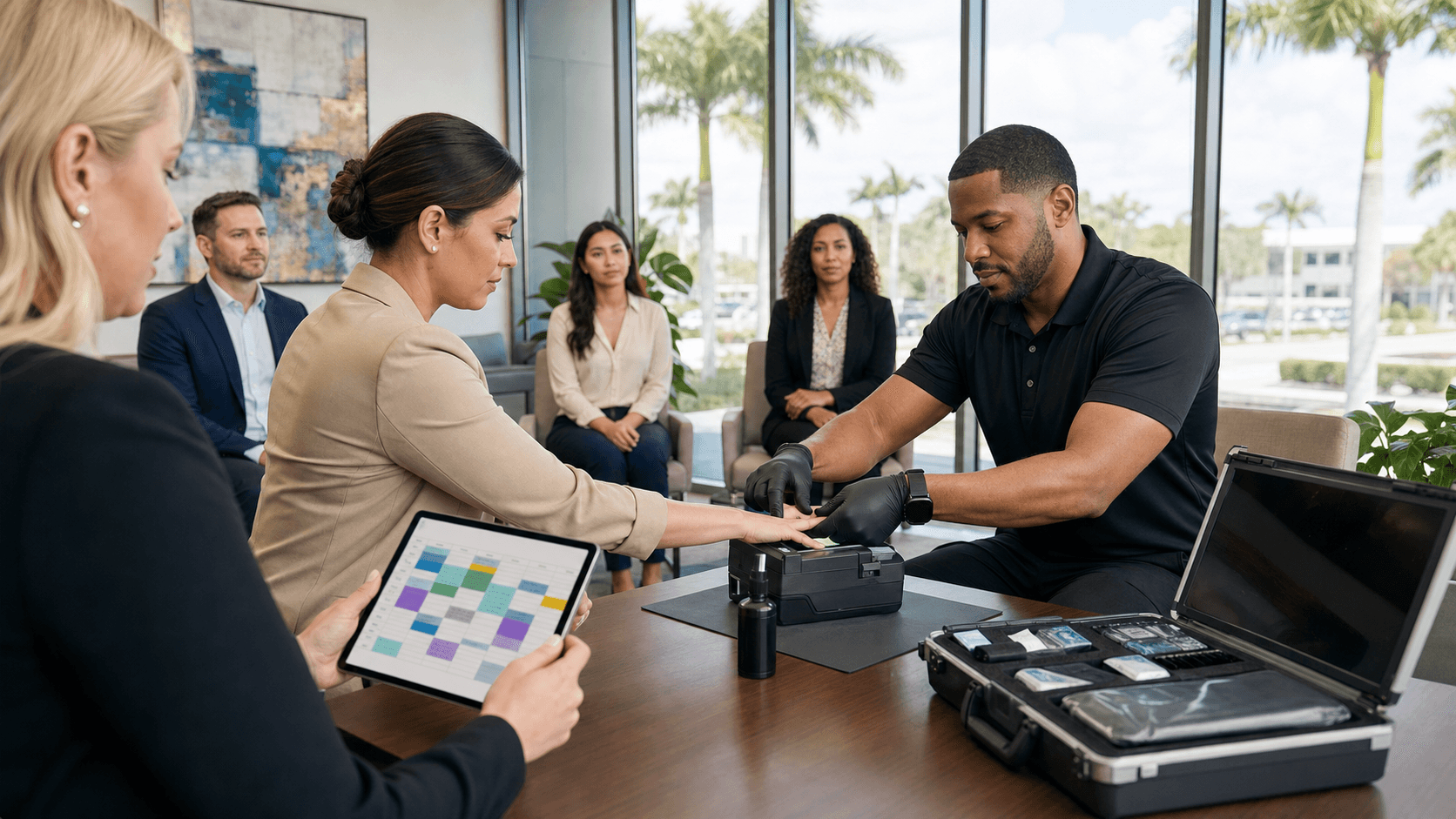
On-site group fingerprinting days, planned by school, department, or role, help keep things steady. Everyone is fingerprinted on a set day, documents are checked up front, and Level 2 background checks start together. That helps schools:
- Keep start dates stable for teachers and aides
- Have clear records ready when regulators visit
- Reduce the stress that comes with last-minute staff changes
Corporate teams with licensing needs, such as home health agencies, insurance brokerages, or security companies, feel the pressure around renewal cycles. The old model where each person finds their own vendor often leads to:
- Mixed-quality fingerprints and repeat visits
- Clearances that expire before renewals are done
- Gaps in documentation during audits or board reviews
When HR or compliance leaders set up recurring group fingerprinting sessions by license type or renewal month, using a provider that understands each board's Level 2 requirements, they gain a simple, repeatable pattern. They can track KPIs like:
- Percentage of staff cleared before license expiry
- Completion rate by group session
- Number of missing documents during audits
Standard documentation and clear workflows make renewals less stressful and more predictable.
KPIs That Matter and Role-Based Compliance Scenarios
Many employers only notice fingerprint problems when something goes wrong. Once they start tracking a few clear KPIs, they can see patterns and fix them early. Helpful metrics include:
- Reprint rate
- Average days from appointment to clearance
- Percentage of hires fully cleared before day one
- No-show rate for fingerprint appointments
- Audit exception counts tied to fingerprinting or background checks
From an expert standpoint, improving these KPIs usually comes down to a few disciplined practices: using FDLE-approved electronic fingerprinting, validating demographic and ID data before capture, scheduling in logical batches, and monitoring submission and response times for Level 2 checks.
Workflow changes supported by FDLE-approved electronic fingerprinting, digital rosters, and pre-appointment ID checks can move those numbers in the right direction. Struggling teams often see high no-show and reprint rates. Well-run group programs often aim for low reprints, strong show-up rates, and most staff cleared before their first working day.
Compliance needs also change by role. A one-size-fits-all rule set can leave gaps. Common role types include:
- Direct patient care staff in hospitals, clinics, and home health
- Classroom teachers, aides, and support staff
- Transportation roles such as bus drivers and shuttle drivers
- Administrative staff handling PHI or financial data
- Contract workers who are on-site but not on payroll
Role-based scenarios show why expert-led group events matter. For example:
- A substitute teacher starting mid-term needs clearance fast, so being added to the next group fingerprinting day keeps them in line with school policy and state Level 2 standards.
- Seasonal home health aides can be batched for fingerprinting before busy patient periods, so they are ready when visits increase and do not create compliance gaps.
- Per-diem nurses can be scheduled in role-specific sessions so their checks match clinical duties and any special Level 2 disqualifier rules.
- Temporary finance staff can be grouped under an access-based policy that ties fingerprinting and background checks to the data they will handle.
By building group events and workflows around roles, employers keep people safe and audits smoother. They also avoid under-screening high-risk roles or over-screening low-risk ones in a way that slows hiring.
Turn Your Next Hiring Wave Into a Controlled Process
Hiring waves are not going away. Back-to-school, holiday staffing, and seasonal surges will always push HR, school leaders, and practice managers. The goal is not to remove that busy period, but to make it controlled instead of chaotic.
Planning group fingerprinting in Palm Beach before offers go out can turn fingerprinting from a wild card into a planned step. Mapping out hiring peaks, listing high-risk roles, and deciding who needs on-site mobile sessions versus office-based group appointments gives you a clear playbook. When KPIs like reprint rate and cleared-before-day-one percentage start moving in the right direction, day one feels a lot more like a plan and a lot less like a guess.
Live Scan Palm Beach County focuses exclusively on fingerprint-based screening, supporting employers with FDLE-approved electronic fingerprinting, compliant Level 2 background check submissions, and mobile group services for local employers. Because our team works with these requirements every day, we help HR leaders design workflows, documentation, and role-based compliance plans that stand up to real-world audits.
With the right expert partner, your next hiring rush can feel steady, documented, and ready for Level 2 scrutiny from the very first shift.
Make Group Fingerprinting Easy, Fast, and Hassle-Free
If you are coordinating screenings for employees, volunteers, or students, we make scheduling group fingerprinting in Palm Beach simple and efficient. At Live Scan Palm Beach County, we work around your timeline so your team can get cleared quickly and move forward without delays. Reach out today and let us handle the logistics while you stay focused on running your organization. For questions or to reserve your time slot, just contact us.