Visa Fingerprints Made Easy for Remote Workers
Visa fingerprinting can feel like one more hoop to jump through when you are trying to work from another country, study abroad, or stay overseas for more than a quick trip. Still, many consulates will not finish your visa or residency application without clear, approved fingerprints and a background check.
As more people work remotely, take their laptops to other countries, and apply for long stays and digital nomad visas, foreign governments are tightening their security rules. Many are moving away from basic name checks and asking specifically for FBI-style or Level 2-style fingerprint-based checks. If you live or work in Palm Beach County, it helps to know you can complete this step locally with a provider that works with these standards every day, instead of flying to a bigger city.
Drawing on our experience with Florida Level 2 background checks and FBI-style fingerprinting, we walk through who usually needs visa fingerprinting, how the fingerprint process works, what embassies often ask for, and how to avoid delays before the busy summer travel season really picks up.
Why Remote Workers Need Visa Fingerprinting in Palm Beach
Remote workers cover a wide range of jobs now and many of those roles trigger fingerprint rules for visas or long-stay permits. Some common groups that run into these requirements include:
- Teachers and tutors who will be working with kids in schools or private lessons
- Healthcare professionals offering telehealth or remote support to clinics
- IT and cybersecurity contractors who can see sensitive systems or data
- Digital marketers and consultants signing long contracts with foreign clients
- People applying for digital nomad or long-stay residency visas
From the host country's view, you are not just a tourist. You are working, often for months or longer, and may be around minors, medical information, or company secrets. Name checks alone can miss things or mix people up if there are similar names. Fingerprints give a more reliable way to link a real person to a record.
Fingerprint-based background checks support rules in those countries that are meant to protect:
- Children in classrooms and youth programs
- Patients and older adults in care settings
- Banking, health, and corporate data that must stay private
- Local communities that want to know who is staying long-term
For many people in Palm Beach Gardens, Jupiter, and nearby areas, it is far more convenient to get visa fingerprinting handled locally. When that fingerprinting is performed by professionals who already meet Florida's Level 2 standards, you gain access to workflows and quality controls designed for high-stakes clearances. You avoid extra trips during summer, when airports and highways are busy and consular offices often get backed up with students, seasonal workers, and travelers all filing at once.
Understanding Visa Background Checks and Level 2 Screening
Not all background checks are the same, and embassies know it. Some only ask for a name-based check, while others specifically want a fingerprint-based one.
Here is a simple breakdown:
- Name-based checks: Run with your name and date of birth, often used for quicker screenings. These can be sufficient for low-risk purposes but are easier to mismatch.
- Fingerprint-based checks: Use your actual fingerprints to search criminal history databases. This is the standard for higher-risk roles, licensing, and immigration-related clearances.
- Mixed requirements: Some countries ask for both, or for a specific style of report (for example, an FBI Identity History Summary, state-level check, or certified fingerprint cards).
Fingerprints give a stronger match. If someone has used different names or there is a typo, a name-only check might miss records. With prints, the focus is on who you are, not just what is typed on a form.
Florida Level 2 background checks are fingerprint-based screenings that include state and national databases, and are commonly required for work in education, healthcare, financial services, and other sensitive fields. While visa background checks may be formatted differently, they serve a similar purpose: to help authorities answer core questions such as:
- Does this person have a serious criminal record?
- Are there offenses that would bar them from teaching, caregiving, or handling sensitive work?
- Does the name on the passport truly match the person in front of us?
Because Level 2 screening is common for licensing, healthcare, and education in Florida, professionals who work with this type of check on a daily basis understand how to align fingerprint captures with specific agency and consular requirements. Our team regularly handles Level 2 submissions, FBI-style requests, and card-based fingerprinting, which allows us to:
- Select the correct card type (such as FD-258) and format when physical cards are required.
- Use the proper ORI and reason codes when they are specified in consular instructions.
- Help clients interpret instructions that reference state, national, or FBI-level searches.
When fingerprinting is done correctly, with the right forms, codes, and quality standards, it can prevent rejected reports and extra trips back and forth.
Step-by-Step Visa Fingerprinting Process in Palm Beach County
Visa fingerprinting does not have to feel confusing. The key is to start with your consulate's instructions and work from there, and to use a provider experienced in Level 2 and FBI-style fingerprinting so technical details are handled correctly. A typical process looks like this:
- Read every line of your visa or residency instructions.
- Note whether they ask for an FBI-style report, state background check, or fingerprint cards.
- Write down any specific form numbers, ORI numbers, or codes they list.
- Gather your valid identification, like a passport or driver's license.
- Set a time that fits your schedule, leaving a cushion before your visa appointment.
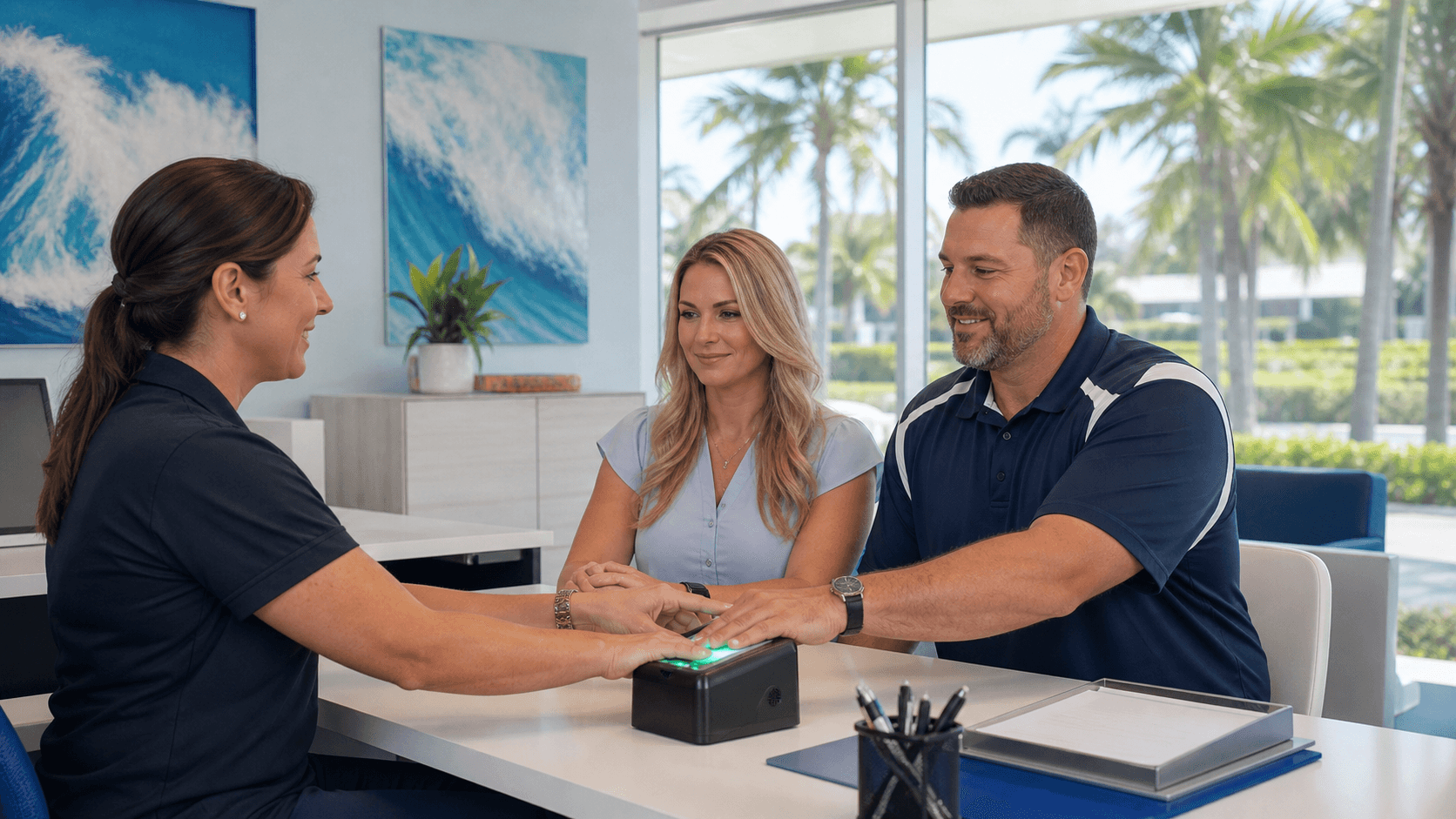
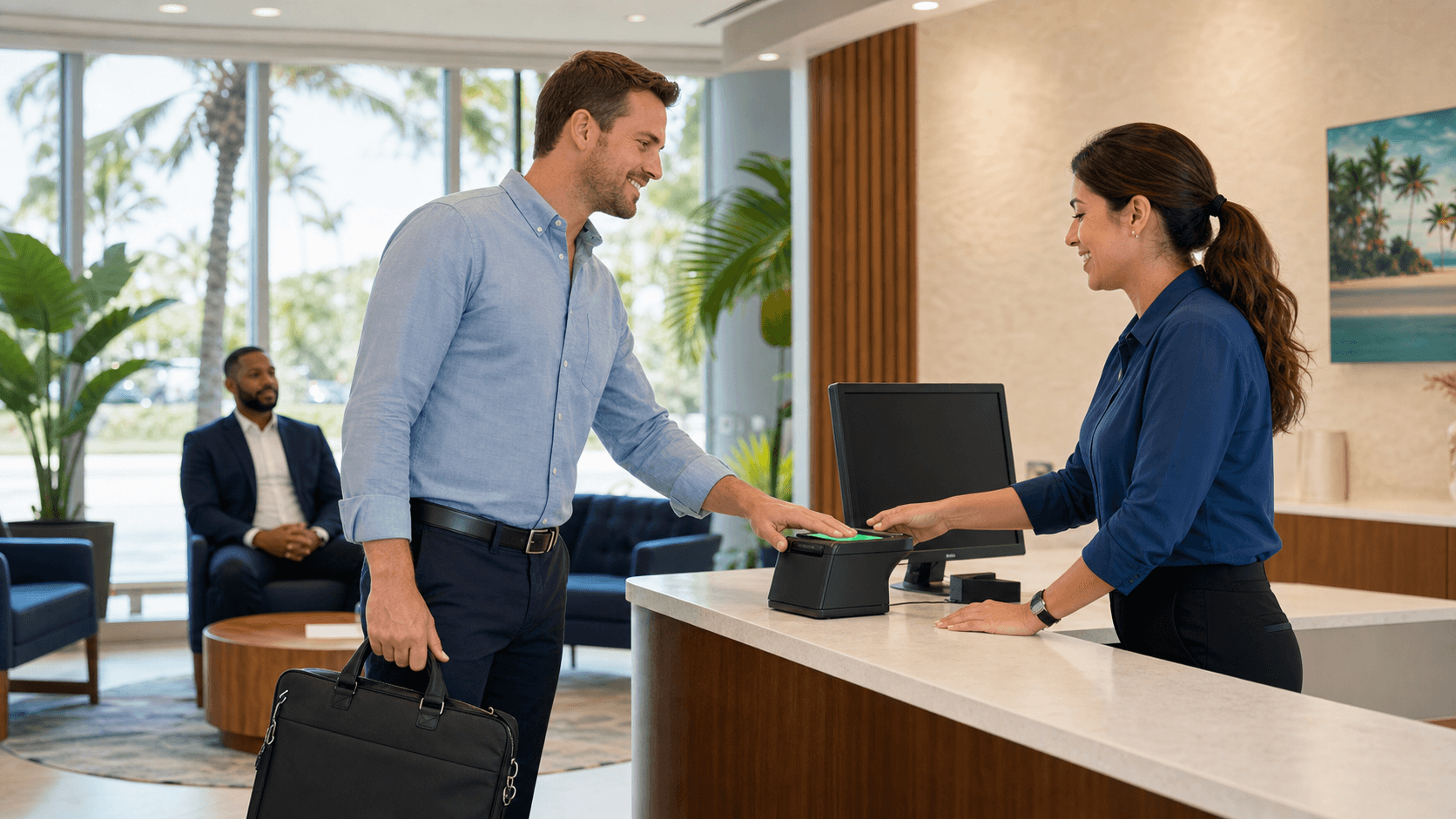
At your fingerprint appointment, you can expect a few simple steps:
- Your ID is checked to confirm your identity.
- Your hands are cleaned and prepared for electronic scanning.
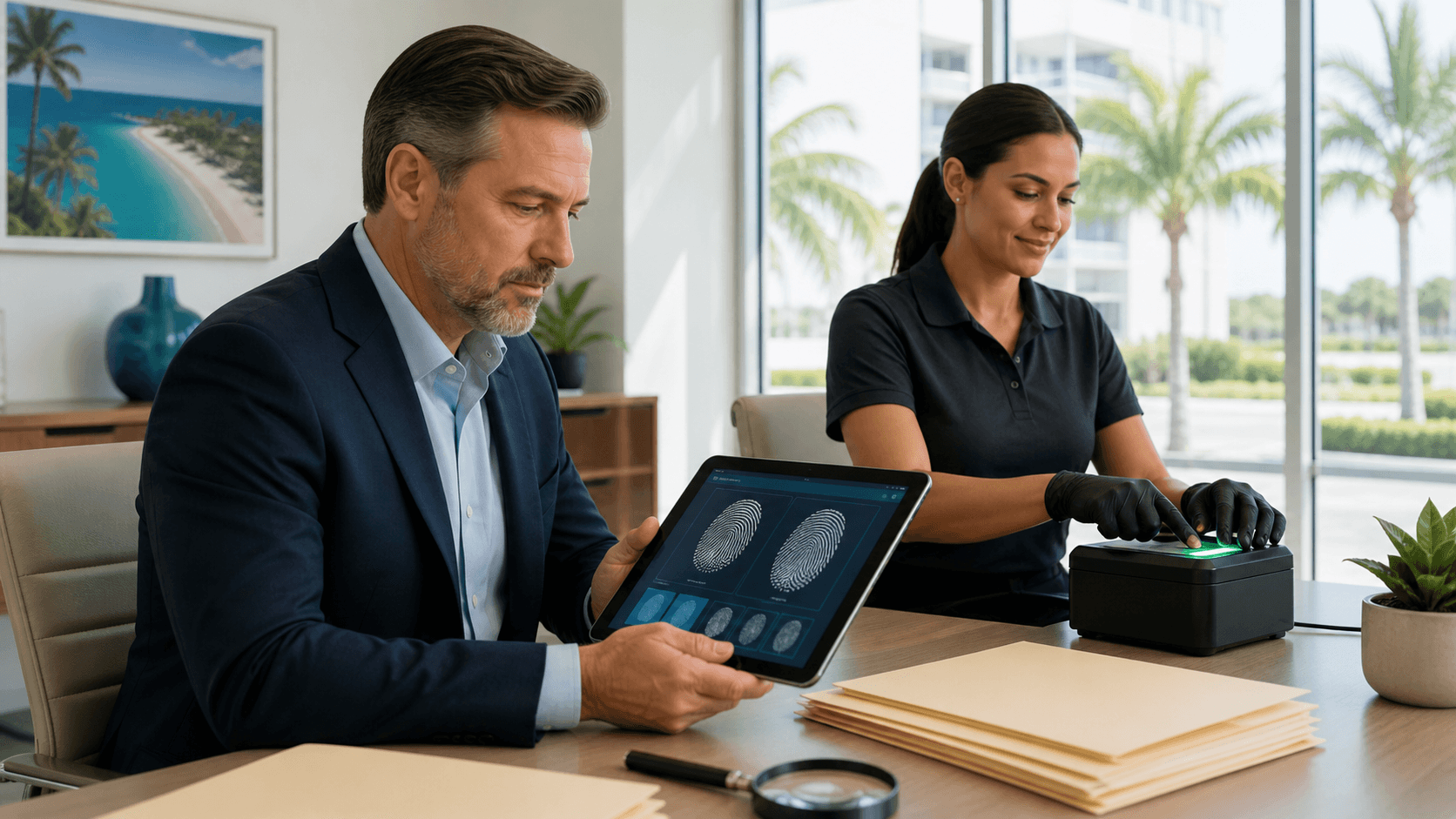
- Each finger and thumb is scanned with an FDLE-approved system that meets Level 2 standards for capture quality.
- The technician checks capture quality so prints are clear and readable and re-takes any prints that do not meet threshold standards.
- Prints are sent electronically when allowed, or printed on cards if needed for consular or FBI submissions.
You may leave with:
- Completed fingerprint cards, if your embassy wants physical cards mailed.
- A receipt or confirmation of your fingerprinting.
- Clear directions on how your fingerprints and resulting background check fit into your full visa packet.
Timelines can vary based on what your consulate or embassy asks for and how they process incoming files. Providers familiar with Level 2 and FBI workflows can often give realistic expectations about processing times and common bottlenecks. It is smart to build in extra time, especially in late spring and early summer when many people are getting ready for new contracts, internships, or school terms abroad.
Avoiding Visa Delays with Professional Fingerprinting Support
Small mistakes with fingerprints often cause big delays. Some of the most common issues we see include:
- Smudged, faint, or incomplete fingerprints that get rejected.
- Using the wrong fingerprint card type or format.
- Missing ORI or agency codes that the receiving office needs.
- Not following exact embassy instructions on where to send the results.
When you work with fingerprinting professionals who handle Level 2, FBI-style, and other official checks on a regular basis, you gain two big advantages. First, there is a strong focus on quality control so your prints are clear, properly captured, and consistent with the standards used for Florida Level 2 screenings. Second, the staff is used to reading and working with formal instructions from agencies and consulates and can help match what they do to those requirements.
This kind of support becomes even more helpful during peak times like summer. Contracts often have firm start dates. Study programs usually begin on fixed days. Flights, housing, and travel plans can be hard to change. Starting your visa fingerprinting early, and having it done by a team that routinely handles Level 2 and FBI-style background checks, gives you a better chance of keeping everything on track and avoiding last-minute stress.
Make Your Visa Fingerprinting Appointment Simple And Stress-Free
If you are ready to move forward with your immigration or travel plans, we can help you schedule fast, accurate visa fingerprinting in Palm Beach. At Live Scan Palm Beach County, our experienced team focuses on efficient service so you can stay on track with tight deadlines and document requirements. Reach out today to book your appointment or ask questions about required IDs and paperwork by using our contact page form.